
Rat removal in Philadelphia, PA
Start with the signs. Get a plan for your property.
Help with rats
in Philadelphia.
For a rat problem in Philadelphia, PA, call 610-927-7792. Describe the property, where you have noticed activity, and any removal or repair work already attempted.
Confirm coverage for your exact address, current availability, and inspection pricing when you call. A city listing describes a service contact; the map below does not identify a business office.
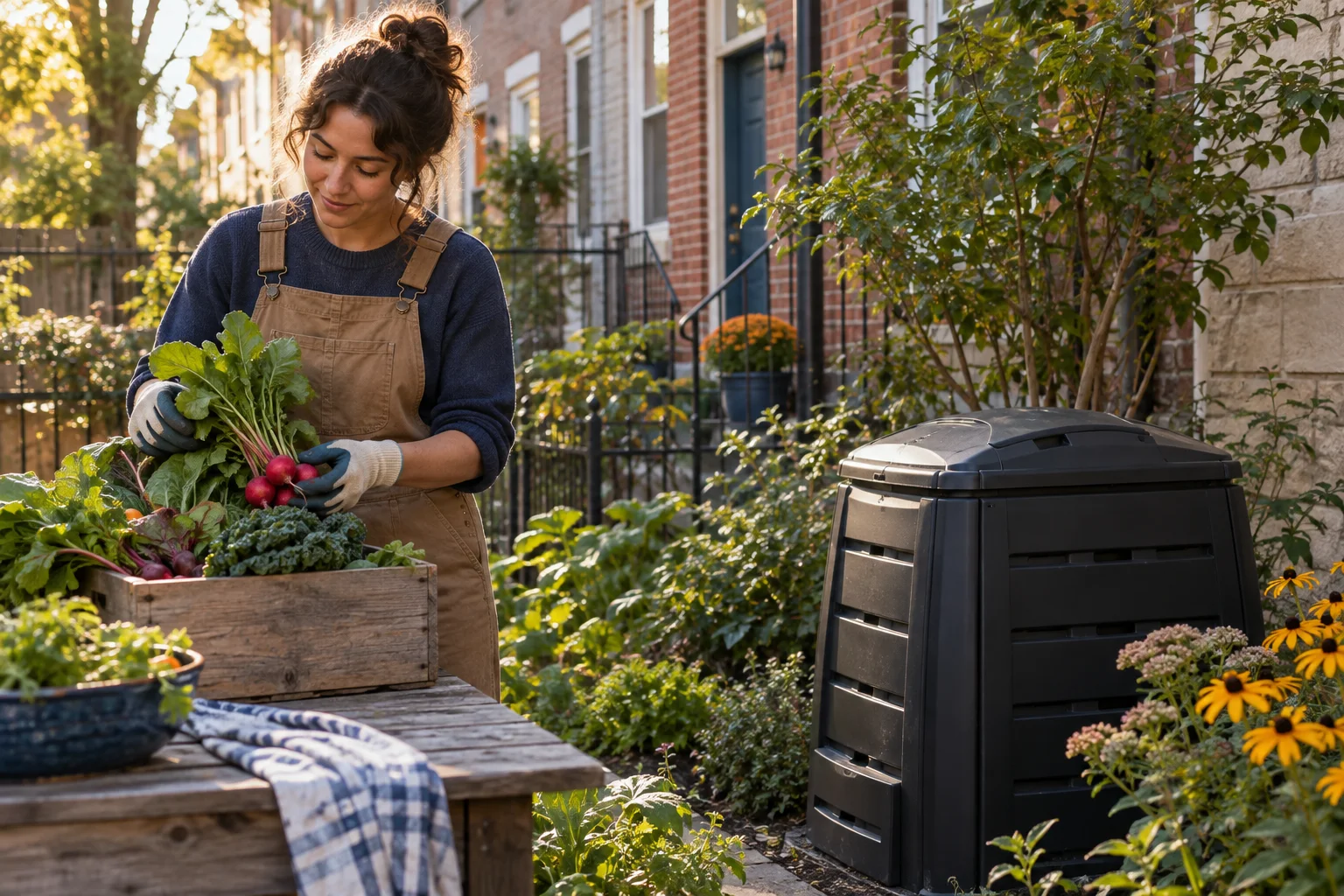
Rat-control inspection for Philadelphia lots and homes
A rat-control plan needs to match the place where activity is being seen. Philadelphia’s Department of Public Health says Vector Control responds to complaints about rats at residences and public parks, while the City has a separate annual inspection and control-plan process for many vacant lots. That distinction helps an owner or resident choose the right next observation instead of treating every sighting as the same problem.
Example scenario: activity along a garden edge
Imagine a Philadelphia homeowner sees a burrow opening at the edge of a small yard beside a neighboring vacant parcel. Confirm the boundary and inspect the homeowner’s side for accessible refuse, damaged lids, shed gaps, loose compost material, and foundation openings. A burrow alone does not identify where food or shelter originates, so map the path, mark the date, and avoid filling it until surrounding conditions have been checked.
The City states that regularly maintained garden lots are treated differently from vacant lots in its certification guidance. Distinguish an actively tended garden from an unmanaged parcel without assuming either is responsible. If the concern is at a residence or public park, the City’s Vector Control page identifies those complaint categories. A precise street address and location type help route the report.
Keep the plan tied to the parcel
Remove exposed food sources, use closed containers, and make foundation or shed repairs after an inspection identifies a credible route. If devices are used, maintain a placement map showing each location, why it was selected, and when it will be checked. This is useful where a child, pet, or garden activity changes how an area is used.
Avoid entering or altering the neighboring parcel without authorization. Record visible conditions from a lawful vantage point and use Philadelphia’s reporting path when warranted. The next inspection can compare the same locations after cleanup and repairs.
Illustrative example and AI-generated image; not a report of a completed service visit.
Further local guidance: City of Philadelphia: Report rats · City of Philadelphia: Vacant lot rodent certifications
Plan the inspection
Scratching overhead, a damaged food container, or droppings near storage can point to different routes through a building. Record the affected room and the time you notice activity. Mention whether the property has an attic, crawl space, attached garage, or shared wall so the inspection can account for connected spaces.
A useful proposal should identify suspected entry points, explain how animals will be removed and monitored, and describe the repairs intended to prevent a return. Keep cleanup and damage repair in the conversation; neither is automatically included in a trapping visit.
When you call 610-927-7792
- Confirm service at your Philadelphia address.
- Explain fresh signs and how long they have continued.
- Mention children, pets, or areas that cannot be safely accessed.
- Ask what inspection, follow-up, exclusion, and cleanup will cost.
Philadelphia area map
City-area reference map. Confirm your service address by phone. Open Philadelphia in Google Maps.