
Rat removal in Miami, FL
Start with the signs. Get a plan for your property.
Help with rats
in Miami.
For a rat problem in Miami, FL, call 786-574-3995. Describe the property, where you have noticed activity, and any removal or repair work already attempted.
Confirm coverage for your exact address, current availability, and inspection pricing when you call. A city listing describes a service contact; the map below does not identify a business office.
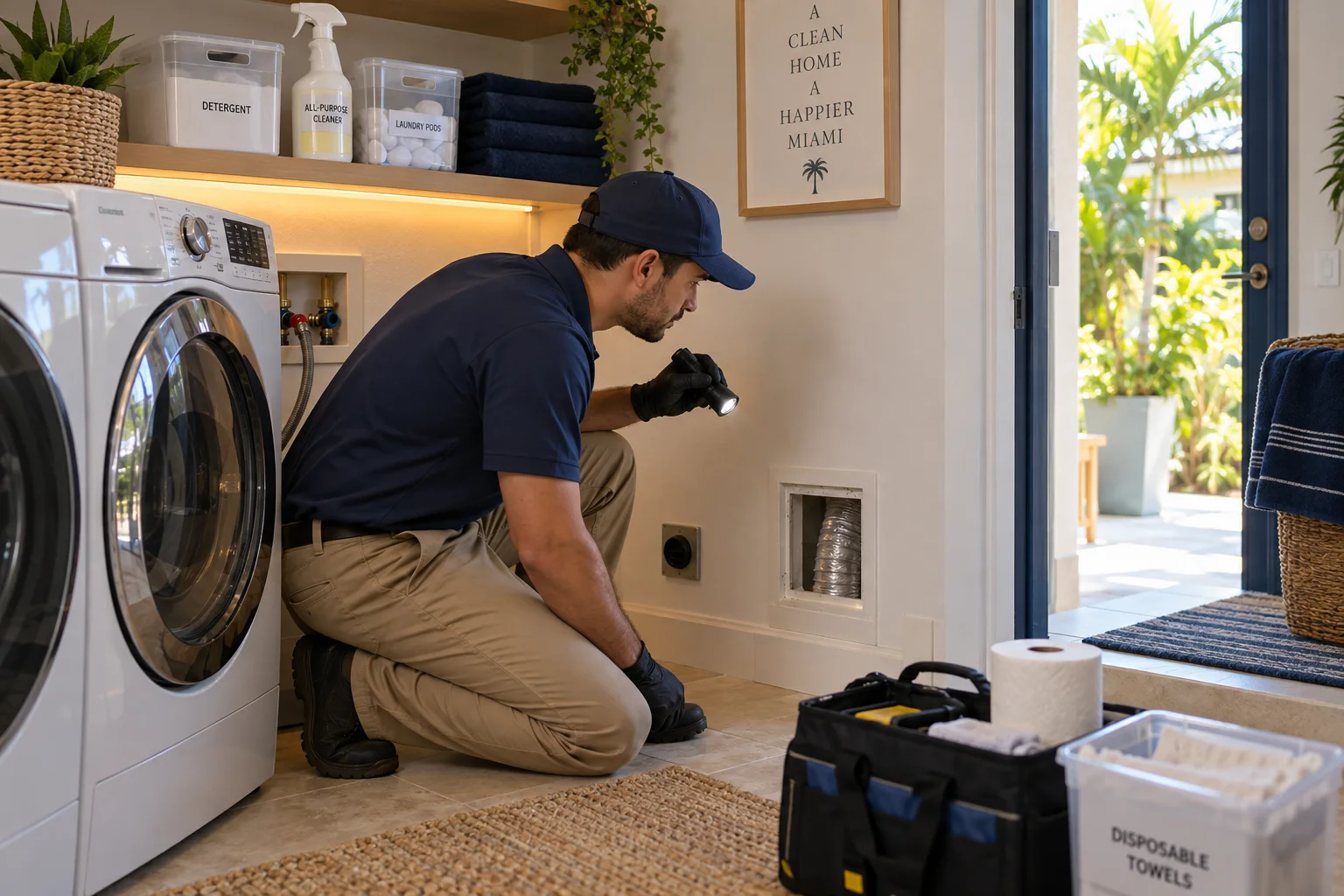
Miami rat repellents: don’t trade an entry problem for a chemical one
Mothballs, ammonia, and other strong-smelling materials are often suggested when rat activity is suspected. For a Miami home, the safer decision is to avoid improvised chemical use and concentrate on the conditions that an inspection can actually confirm and correct.
The problem with an odor-only response
Imagine a Miami resident placing a strong-smelling product near a laundry-room opening after hearing movement at night. This is a hypothetical example, not a completed job. An odor may make the room unpleasant without identifying the animal, sealing an opening, or protecting a pet or child from exposure. It can also obscure a useful smell or clue that an inspector needs to evaluate.
UF/IFAS recommends rodent exclusion and reducing accessible food, water, and shelter; its guidance describes repellents as generally ineffective. Begin with the laundry-room exterior wall, appliance connections, door gaps, refuse, and nearby storage. Those are tangible conditions that can be improved and checked again.
Use a repair-first checklist
Keep products in their original labeled containers and do not combine household chemicals or apply them in an enclosed living area as a rodent solution. Secure food and pet supplies, and keep the path to walls and utility connections visible. Do not use smoke or gas to drive an animal from a void.
Ask: “What visible gap, food source, or cover condition can we correct before considering a control product?” A clear answer names the feature, its safe repair method, and how follow-up signs will be assessed. It avoids treating a persistent smell as evidence that a repellent has solved the underlying access issue.
Local prevention detail
UF/IFAS advises addressing food, shelter, water, and access instead of using chemicals as a substitute for a property inspection.
For the repellent concern, do not put household chemicals into a void or drain; document the entry and resource conditions that still make the location usable.
Illustrative example and AI-generated image; not a report of a completed service visit.
Further local guidance: UF/IFAS Extension: Wondering About Wildlife—Rodents
Plan the inspection
Scratching overhead, a damaged food container, or droppings near storage can point to different routes through a building. Record the affected room and the time you notice activity. Mention whether the property has an attic, crawl space, attached garage, or shared wall so the inspection can account for connected spaces.
A useful proposal should identify suspected entry points, explain how animals will be removed and monitored, and describe the repairs intended to prevent a return. Keep cleanup and damage repair in the conversation; neither is automatically included in a trapping visit.
When you call 786-574-3995
- Confirm service at your Miami address.
- Explain fresh signs and how long they have continued.
- Mention children, pets, or areas that cannot be safely accessed.
- Ask what inspection, follow-up, exclusion, and cleanup will cost.
Miami area map
City-area reference map. Confirm your service address by phone. Open Miami in Google Maps.